A linen order looks simple until it reaches the room. The sheet is too shallow for the mattress. The towel is smaller than expected. A “case” contains a different quantity than the buyer assumed. Good linen purchasing brings those questions forward.
For a home, a guest room or a care facility, start with what the textile must do. Fit, coverage, feel and the routine for washing and replacing it all matter. A technical name on its own cannot tell you whether it is the right choice. This guide puts the everyday decisions first, then shows how to organize them into a clear order.
Write down the finished size you need, the intended use, the color and the number of pieces in the selling pack. For fitted sheets, include mattress depth.
Measure the bed you actually have
Measure mattress width, length and depth rather than relying only on a name such as “twin” or “bariatric.” Two mattresses described with the same general label can need different fitted sheets. Include any topper in the depth measurement if the sheet must cover it. Check how the supplier describes the finished dimensions and any stated fit range.
For flat sheets and blankets, think about coverage as well as mattress size. Decide how much drape or tuck is needed for the intended use. The dimensions printed on the product page should be the basis for the order. A photograph is helpful for color and style, but it is not a scale drawing.
Choose a towel for its job
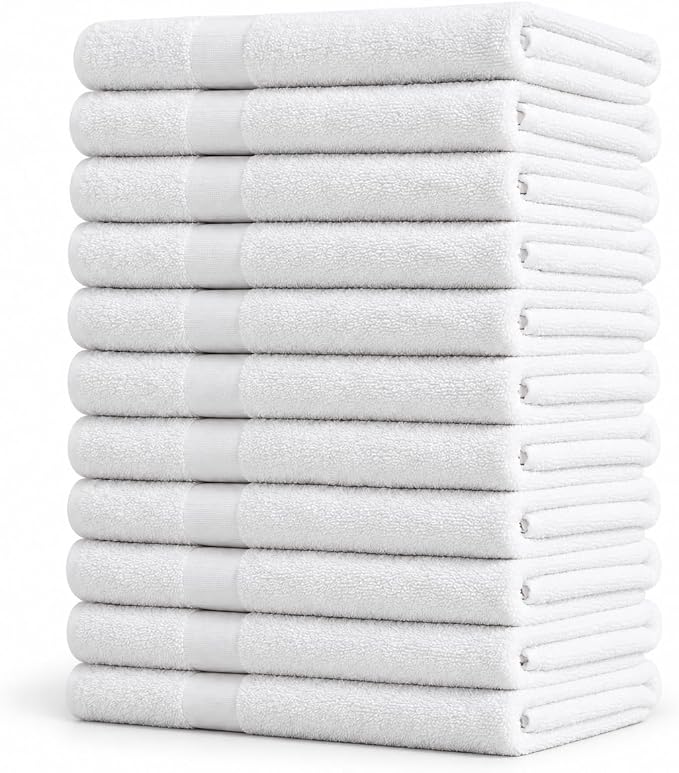
A washcloth, hand towel and bath towel solve different problems. Begin with the task and the available storage space. Smaller textiles can be practical where a compact item is needed; larger bath towels offer more coverage. A bigger size is not automatically a better choice when it creates an awkward fit in the storage or laundry routine.
| Decision | What to check | What to record |
|---|---|---|
| Washcloth | Dimensions, texture and intended care routine | Size, color, pack quantity |
| Hand towel | Where it will hang, fold or be stored | Finished dimensions and selling unit |
| Bath towel | Coverage, handling and laundry process | Dimensions, material and pack |
| Blanket | Coverage, warmth preference and care instructions | Size, color and quantity |
| Fitted sheet | Mattress width, length and depth | All three measurements |
For a larger purchase, ask about an available sample or a smaller initial order. Evaluate it using the care instructions and the actual laundry process before committing to a full program. Compare feel and fit after washing as well as when the item first arrives. Do not assume every textile can tolerate the same wash chemistry, temperature or drying cycle.
Each, dozen, pack and case: make the unit explicit
A dozen is 12 pieces. A 24-piece pack contains two dozen. A 120-piece pack contains ten dozen. A case is a packaging unit whose piece count must be confirmed for the specific item. It does not have one universal meaning across all linens.
This matters when comparing both price and inventory. A price for 12 pillowcases cannot be compared directly with a price for 120. Divide the pack price by the number of pieces to get a useful first comparison, then check that the actual products and delivered terms are comparable. Keep the selling unit alongside the SKU wherever staff prepare or approve orders.
“White bath towels, 22 × 44 inches, 12 towels per pack, 8 packs” is much clearer than “8 towels.” It describes 96 towels and leaves less room for a receiving error.
Think in rotation, not just in closets
Facility linen exists in several places at once: in use, waiting for collection, in the laundry process, on its way back, and ready for the next room. A storeroom count alone does not show the whole picture. Define the stages in your own operation and count consistently.
Build the starting quantity around occupancy, the change schedule, laundry turnaround and an intentional reserve. Avoid borrowing a universal “par” number without checking those assumptions. A facility with frequent deliveries from a laundry service has a different pattern from one managing everything on site.
As a hypothetical planning example, 80 occupied beds requiring one fitted sheet per bed need 80 sheets for that single stage of use. The total program also needs stock for the other stages and reserve. The example does not prescribe a clinical linen-change schedule; the facility determines that through its own policies and operating requirements.
Keep the approved assortment easy to understand
Use plain descriptions on shelves and order sheets: product type, size, color and pack. Technical specifications can remain in the supporting record. Your team should be able to locate the correct item without memorizing textile abbreviations.
Where two items look similar, decide whether both serve a distinct need. If one is approved as a substitute, document the approval instead of letting substitutions happen informally. When an item changes, update the description, photograph and reorder reference together.
Your linen order checklist
- Measure the mattress or confirm the finished textile dimensions.
- Select the use, color and appropriate care instructions.
- Confirm the pieces in the selling pack.
- Calculate the total pieces being ordered.
- Review the quantity against stock in use and in the laundry cycle.
- Record the approved SKU and any agreed substitution.
- Confirm pricing and delivery for the destination.
Medorra’s linen range includes bed and bath essentials, blankets, pillows and patient apparel. Start with the size and pack you need. For a facility program, share your current measurements and usage pattern so the discussion begins with the room, not just the product name.
Find the right fit for your rooms.
Explore linen sizes and pack options, or bring your facility’s list to Medorra.
Explore linens & textiles →Plan a facility linen order →